

Dry Eye Test at OPTIMAX VISION in Cypress TX
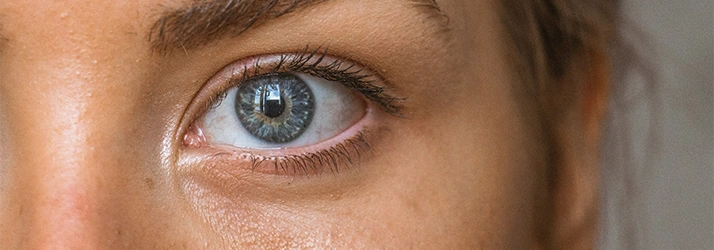
Dry, irritated eyes can make daily tasks uncomfortable and affect clear vision. A dry eye test helps identify the cause of dryness and its severity. At OPTIMAX VISION, we use gentle testing methods to evaluate tear quality and eye surface health. These results help guide the right care plan to improve comfort and support long-term eye health.
What a Dry Eye Test Checks and Why It Matters
A dry eye test helps doctors understand why the eyes feel dry, irritated, or uncomfortable during daily activities. Tears play an important role in keeping the eyes healthy by protecting the surface, supporting clear vision, and helping remove dust and germs. When the eyes do not make enough tears, or when tears dry too quickly, it can lead to discomfort and vision changes.
This test assesses both tear volume and tear quality to evaluate how well the eyes remain moist. Many people believe dry eye is only a mild issue, but it can slowly affect daily life if left untreated. Activities such as reading, using digital screens, driving, or spending time outdoors can become difficult when eyes are dry.
The test also helps tell whether dryness is temporary or part of a long-term condition. This difference matters because each type needs a different care plan. Some people may only need small changes, while others may need focused treatment over time.
A dry eye test is safe, gentle, and quick to complete. It provides helpful answers that support better eye comfort and long-term eye health. At OPTIMAX VISION, dry eye testing is done with care to help patients clearly understand their eye condition and next steps.
Common Signs That Tell You a Dry Eye Test Is Needed
Dry eye symptoms often begin slowly and may be easy to overlook at first. Many people think these symptoms are normal or caused by tired eyes, which can delay proper testing. Knowing the common signs of dry eye can help people decide when it is time for a dry eye test.
These symptoms may happen every day or only during certain activities, such as screen use or reading. Some people notice symptoms more in dry air, windy weather, or air-conditioned rooms. Dry eye symptoms may affect one eye or both eyes and can change throughout the day.
Common signs that suggest a dry eye test may be needed include:
- A burning or stinging feeling that lasts for hours.
- Redness that does not clear easily.
- A gritty or scratchy feeling in the eyes.
- Watery eyes caused by poor tear balance.
- Blurry vision that improves after blinking.
- Eye tiredness during short visual tasks.
Dry eye can also make wearing contact lenses uncomfortable and harder to manage. These symptoms may interrupt daily routines and reduce visual comfort over time.
How Doctors Measure Tear Production and Eye Moisture
Doctors use several steps during a dry eye test to measure how well the eyes produce and hold tears. Healthy tears need the right mix of water, oil, and mucus to protect the eye surface. When this balance is missing, tears may not stay on the eye long enough to provide comfort.
One part of the test measures tear production to see whether the eyes are making enough moisture. Another step checks tear stability, which shows how quickly tears dry after blinking. Even when tear production is normal, poor tear quality can still cause dryness.
Doctors also closely examine the eye surface for signs of dryness or irritation. Special drops may be used to highlight dry areas and make them easier to see. These drops are safe, comfortable, and fade quickly after the test.
Blinking habits are often reviewed because blinking spreads tears evenly across the eyes. Reduced blinking, especially during screen use, can worsen dryness. All of these checks work together to give a clear picture of tear health and eye moisture.
Advanced Tools Used During a Dry Eye Test
Modern dry eye testing uses advanced tools to help doctors gather clear, detailed information about tear health. These tools allow testing to be accurate while keeping the patient experience comfortable. Most tools are gentle and use light, imaging, or timing methods rather than physical contact.
Some tools measure how long tears stay on the eye before drying. Others create close-up images of the tear layer and eye surface. These images help doctors detect dryness, damage, or uneven tear spread that would otherwise be hard to see.
Common tools used during dry eye testing include:
- Imaging devices that clearly show tear layers.
- Specialized lights to examine the eye surface.
- Timers that measure tear break-up speed.
- Magnification tools for detailed eye viewing.
What to Expect During Your Dry Eye Testing Visit
The visit usually begins with questions about symptoms, daily habits, and activities that worsen dryness. This information helps guide the testing process and ensures the right areas are examined.
Next, the eyes are checked using safe lights and testing tools. You may feel eye drops placed in your eyes, but they are gentle and do not cause pain. These drops help doctors see tear flow and dry areas more clearly. The testing is done while you sit comfortably, and most people feel relaxed throughout the visit.
The visit does not take long, and there is no recovery time needed afterward. Doctors explain the results in clear language, helping patients understand what is happening with their eyes. You may also receive guidance on daily habits that support better eye comfort.
At OPTIMAX VISION, dry eye testing visits focus on clear communication, patient comfort, and helpful guidance for ongoing eye care.
How Dry Eye Test Results Help Guide Proper Treatment
Dry eye test results help doctors create care plans that match each person’s specific needs. Because dry eye has many causes, treatment is most effective when based on test findings rather than symptoms alone. Test results help identify if the problem is tear production, tear quality, or tear evaporation.
These results guide doctors in choosing care steps that are more effective and targeted. Some people benefit from simple changes, while others need ongoing support to manage symptoms.
Based on test results, doctors may recommend:
- Adjustments to screen habits and daily routines.
- Eye drops are designed for specific tear problems.
- Improved blinking habits and eye care practices.
- Follow-up testing to track progress over time.
Schedule Your Dry Eye Test Today!
If dry, irritated eyes are affecting your comfort, a dry eye test can help. Contact OPTIMAX VISION to schedule your evaluation and learn what is causing your symptoms. Call us at (281) 373-1163 or visit our office to get started.

OFFICE HOURS
Monday
10:00am - 6:00pm
Tuesday
10:00am - 3:00pm
Wednesday
10:00am - 7:00pm
Thursday
10:00am - 3:00pm
Friday
10:00am - 6:00pm
Saturday & Sunday
Closed

OPTIMAX VISION
11920 Barker Cypress Rd
Cypress, TX 77433